

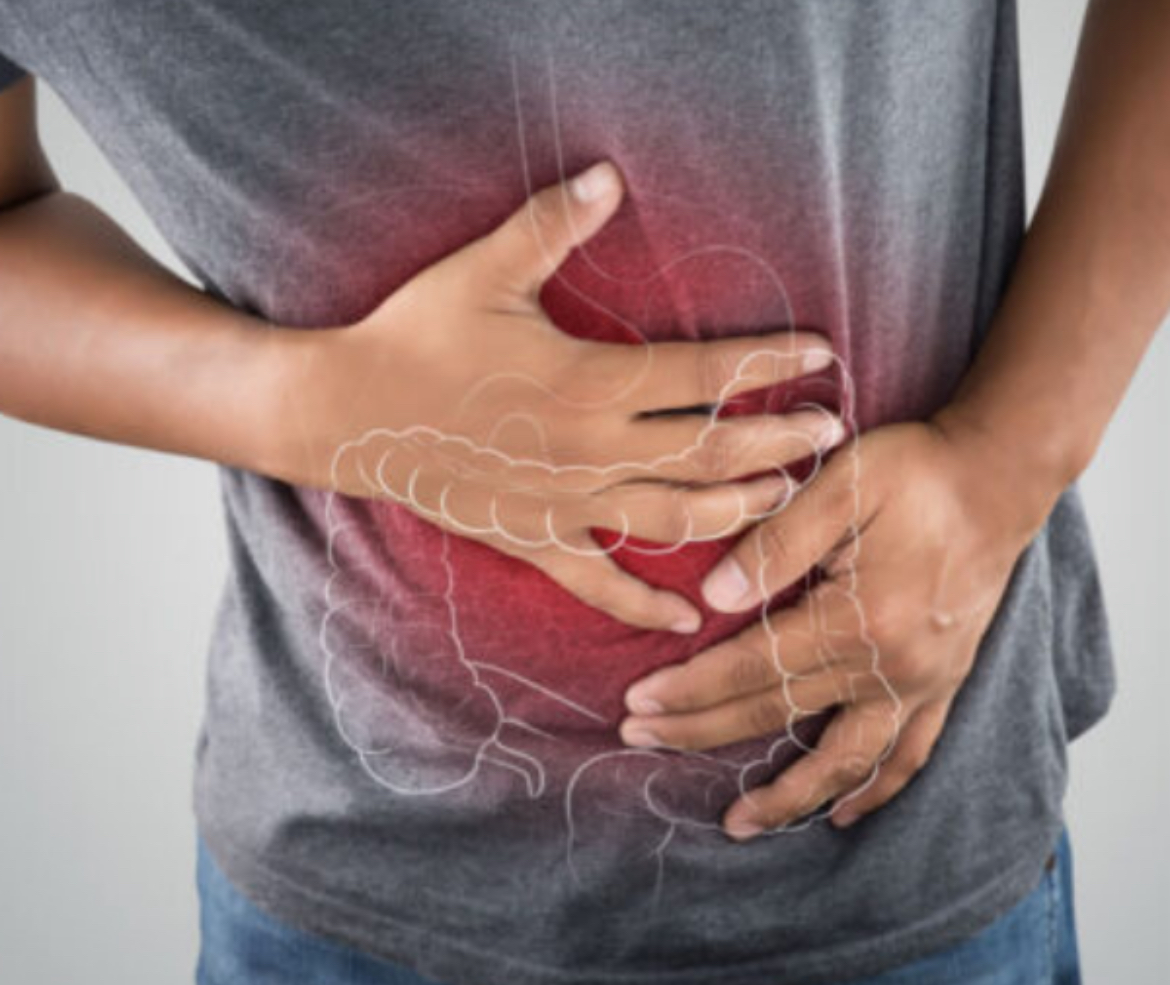
Sure! Here’s a detailed article on Maintaining a Healthy Colon for Overall Well-being:
Maintaining a Healthy Colon Is Essential for Overall Well-being
The colon, also known as the large intestine, is a crucial part of the digestive system. Though it may not get as much attention as the heart or brain, the colon plays a vital role in maintaining your overall health. Its responsibilities include digesting food, absorbing nutrients, and eliminating waste and toxins from the body. A healthy colon ensures efficient digestion, a strong immune system, and even contributes to your mood and energy levels.
Why the Colon Matters
When you eat, food travels through your digestive tract, where it’s broken down and nutrients are absorbed. What remains eventually reaches the colon. Here, water and minerals are extracted, and the waste is prepared for elimination. The colon also houses trillions of beneficial bacteria, known as the gut microbiota, which aid in digestion, protect against harmful pathogens, and support immune function.
If the colon isn’t functioning properly, it can lead to a buildup of toxins, poor digestion, constipation, bloating, fatigue, and an increased risk of chronic illnesses such as colon cancer or inflammatory bowel disease (IBD).
Signs Your Colon May Need Attention
- Frequent constipation or diarrhea
- Excessive gas or bloating
- Unexplained fatigue
- Poor appetite
- Skin issues (like acne or eczema)
- Brain fog or irritability
- Irregular bowel movements
Tips for Maintaining a Healthy Colon
1. Eat a High-Fiber Diet
Fiber is essential for colon health. It helps to move waste through the digestive tract, promotes regular bowel movements, and feeds beneficial gut bacteria.
Good sources of fiber include:
- Fruits (like apples, berries, and pears)
- Vegetables (especially leafy greens, carrots, and broccoli)
- Legumes (beans, lentils, chickpeas)
- Whole grains (oats, quinoa, brown rice)
- Nuts and seeds
Aim for at least 25–35 grams of fiber per day.
2. Stay Hydrated
Water is crucial for softening stool and aiding in the smooth passage of waste through the colon. Dehydration can lead to constipation and sluggish digestion.
Tip: Drink at least 8–10 glasses of water per day, and more if you’re active or live in a hot climate.
3. Exercise Regularly
Physical activity stimulates digestion and increases blood flow to the digestive tract, helping the colon function optimally. Even 30 minutes of moderate exercise daily can improve bowel health.
Try: Walking, jogging, yoga, or cycling for gentle stimulation of the digestive system.
4. Incorporate Probiotics and Prebiotics
Probiotics are the “good” bacteria that support gut health. Prebiotics are fibers that feed these bacteria.
Probiotic-rich foods: Yogurt, kefir, sauerkraut, kimchi, miso, and kombucha
Prebiotic foods: Garlic, onions, leeks, asparagus, and bananas
These support a balanced microbiome, reduce inflammation, and enhance nutrient absorption.
5. Limit Red and Processed Meats
Excessive consumption of red and processed meats has been linked to an increased risk of colon cancer. Try replacing some meat meals with plant-based protein sources like beans, tofu, or lentils.
6. Reduce Sugar and Processed Foods
Processed foods often contain unhealthy fats, artificial additives, and excess sugar that disrupt gut bacteria and promote inflammation. Focus on whole, unprocessed foods for optimal colon health.
7. Avoid Excessive Use of Laxatives
While occasional use of laxatives may be necessary, overuse can weaken the colon muscles and lead to dependency. Opt for natural methods to relieve constipation, like increasing fiber and water intake.
8. Get Regular Screenings
For those over the age of 45, or with a family history of colon cancer, regular colonoscopy screenings are essential. Early detection of polyps or abnormalities can prevent colon cancer from developing or progressing.
Natural Colon-Cleansing Foods
Certain foods naturally support colon cleansing and detoxification:
- Beets: Rich in fiber and antioxidants, they support liver and colon detox.
- Ginger: Helps stimulate digestion and reduce inflammation.
- Leafy greens: Detoxify the body and provide essential nutrients.
- Chia seeds and flaxseeds: Provide fiber and omega-3s to ease digestion.
- Lemon water: Encourages bile production and detox pathways.
Healthy Colon = Healthy Body
A well-functioning colon enhances nutrient absorption, supports immunity, stabilizes mood, and improves energy levels. Digestive discomfort, chronic fatigue, or skin issues may all trace back to colon health. By adopting a diet rich in fiber, staying hydrated, managing stress, and supporting your gut microbiome, you’re not just caring for your colon—you’re investing in your entire body’s well-being.
Remember, it’s not about drastic detoxes or cleanses. It’s about daily habits that nourish and support your body from the inside out.
Would you like this article formatted for a blog or printable PDF? Or want a version tailored for a newsletter or health coaching material?