

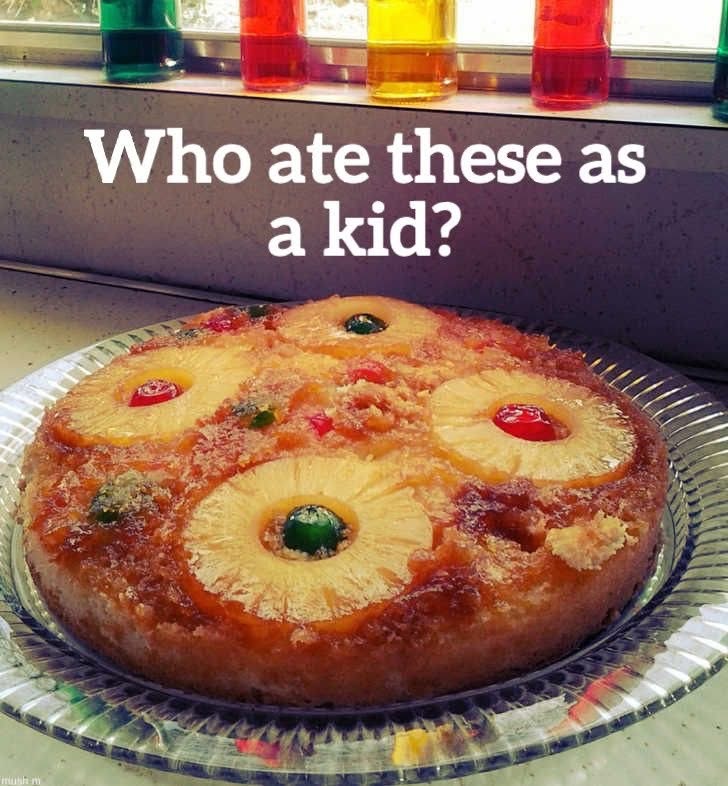
Of course! The 1950s was a fascinating decade for food, marked by post-war optimism, the rise of television, and a new embrace of convenience. While some trends (like aspic and canned meat salads) have (thankfully) faded, many others have been perfected and remain beloved today.
Here are 7 cooking trends from the 1950s that are still popular:
- The Casserole
Then: The quintessential 50s dish. Casseroles were the ultimate in convenience and economy, often designed to be a complete meal in one dish. The classic “Tuna Noodle Casserole” with canned soup, egg noodles, and potato chip topping was born in this era.
Now: Casseroles are a staple of comfort food and potlucks. We’ve elevated them with fresher ingredients, artisanal cheeses, and global flavors (think King Ranch Chicken or a vegetarian enchilada casserole), but the concept of a hearty, one-dish baked meal is more popular than ever.
- The Outdoor BBQ
Then: Post-war suburban life, with its backyards and patios, made grilling a national pastime. It was a social event, often led by the “man of the house.” The fare was straightforward: burgers, hot dogs, and steaks slathered in a sweet, tomato-based barbecue sauce.
Now: Barbecue has evolved into a serious culinary art form. While the simple backyard burger grill remains a summer essential, we now have low-and-slow smoked brisket, regional sauce rivalries (Carolina vinegar, Texas mop, Kansas City sweet), and gourmet grilled vegetables.
- “International” Food (The Americanized Version)
Then: As soldiers returned from abroad and travel became more common, Americans developed a taste for “exotic” foods. This led to the creation of Americanized versions of foreign dishes like Pizza, Chop Suey, and Spaghetti and Meatballs.
Now: These dishes are now deeply embedded in the American culinary fabric. While we now have access to more authentic versions, the 1950s introductions paved the way. Pizza delivery is a multi-billion dollar industry, and spaghetti and meatballs is a weekly dinner staple in millions of homes.
- The Cheese Ball
Then: No cocktail party was complete without a cheese ball. Typically made with cream cheese, cheddar, and spices, then rolled in chopped nuts, it was the ultimate make-ahead, no-fuss appetizer.
Now: The cheese ball has had a major resurgence! It’s a retro-chic star at holiday parties and gatherings. Modern versions feature gourmet ingredients like goat cheese, blue cheese, fresh herbs, and are rolled in everything from pecans and bacon to dried cranberries and pistachios.
- Deviled Eggs
Then: A classic potluck and church supper staple. The 50s homemaker might have added a touch of sweet pickle relish or a sprinkle of paprika for color, serving them on a special deviled egg platter.
Now: Deviled eggs are a permanent fixture on the appetizer scene. They’ve been gourmet-ified with toppings like candied bacon, sriracha, smoked salmon, capers, or truffle oil, and are a menu staple at gastropubs and brunch spots.
- Sheet Pan Cakes & Dump Cakes
Then: The “dump cake”—where you literally dump canned fruit and boxed cake mix into a pan and bake—was a hallmark of mid-century convenience. Similarly, Texas Sheet Cake became a hit for its simplicity and ability to feed a crowd.
Now: The ease of these desserts is timeless. Dump cakes are still a go-to for a quick, comforting dessert. The sheet cake, especially the chocolate Texas Sheet Cake with its iconic pecan frosting, remains a beloved classic for birthdays, potlucks, and bake sales.
- Fondue
Then: Although it peaked in the 60s, fondue was introduced to America in the late 50s and became a symbol of sophisticated entertaining. The Swiss cheese fondue set was a must-have wedding gift, turning a meal into a social event.
Now: Fondue never truly disappeared and has seen several revivals. It’s now a fun, interactive dining experience for parties or a romantic date night at home, with options ranging from classic cheese to rich chocolate for dessert.
The legacy of 1950s food is a testament to the power of convenience, comfort, and community—themes that continue to shape how we eat and gather today.