

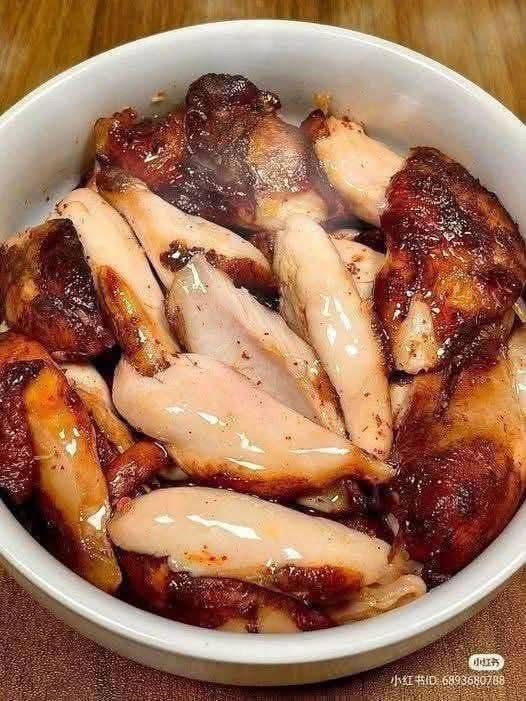
Roast Chicken: The Juicy, Flavorful Classic Loved Around the World
High CPC Keywords: roast chicken recipe, oven baked whole chicken, crispy skin roast chicken, juicy roasted chicken, easy family dinner chicken, garlic butter roast chicken, best chicken seasoning for roasting, baked chicken with herbs, homemade rotisserie chicken recipe, simple roast chicken dinner, healthy chicken meal ideas, slow roasted chicken recipe, oven roasted chicken with vegetables, roast chicken for holidays, budget friendly chicken recipes
Introduction
Roast chicken is one of the most iconic and beloved dishes in the world. With its golden-brown, crispy skin and tender, juicy meat, it has long been considered the epitome of comfort food. From family Sunday dinners to holiday feasts and casual weeknight meals, roast chicken is versatile, affordable, and deeply satisfying. Its preparation can be as simple as seasoning with salt and pepper or as elaborate as marinating in herbs, spices, and butter for a gourmet experience. Beyond its irresistible flavor, roast chicken carries cultural and emotional value, often reminding people of home-cooked meals shared with loved ones. In this comprehensive guide, we will explore the history of roast chicken, its cultural significance, nutritional benefits, step-by-step recipes, seasoning variations, cooking techniques, and tips for mastering this timeless dish.
The History of Roast Chicken
Roasting chicken dates back thousands of years, as humans discovered the pleasure of cooking poultry over open flames. Ancient civilizations, including the Egyptians, Greeks, and Romans, all enjoyed roasted fowl as part of their diets. In medieval Europe, spit-roasted chicken became a centerpiece at feasts, symbolizing abundance and hospitality. Over time, as ovens became more common, roasting transitioned from open flames to enclosed cooking, making it accessible to households everywhere. In France, roast chicken or poulet rôti became a staple of traditional cuisine, served with pan juices or gravy. In modern times, roast chicken remains a universal dish, celebrated in countless cuisines around the globe.
Why Roast Chicken Is So Popular
The popularity of roast chicken lies in its balance of simplicity and flavor. It is affordable, easy to prepare, and incredibly versatile. A whole chicken can feed a family, provide leftovers for days, and be adapted to suit any cuisine with different marinades, spices, and side dishes. Roast chicken appeals to all ages and can be made for casual dinners or formal gatherings. Additionally, the aroma of chicken roasting in the oven creates an atmosphere of warmth and comfort that few dishes can rival.
Nutritional Benefits of Roast Chicken
Chicken is an excellent source of lean protein, essential for muscle growth and repair. It provides vitamins such as B6 and niacin, as well as minerals like phosphorus and selenium. Roasting chicken with the skin on retains moisture and flavor, while removing the skin before eating reduces fat content. Unlike fried chicken, roast chicken requires little oil, making it a healthier option. Paired with vegetables or whole grains, roast chicken makes for a balanced and nutritious meal that supports a healthy lifestyle.
Classic Roast Chicken Recipe
Ingredients:
- 1 whole chicken (about 4–5 pounds)
- 3 tablespoons olive oil or melted butter
- 1 tablespoon salt
- 1 teaspoon black pepper
- 1 teaspoon paprika
- 4 garlic cloves, minced
- 1 lemon, halved
- Fresh herbs (rosemary, thyme, parsley)
Instructions:
- Preheat oven to 425°F (220°C).
- Pat the chicken dry with paper towels for crispy skin.
- Rub the chicken with olive oil or butter, then season generously with salt, pepper, paprika, and garlic.
- Stuff the cavity with lemon halves and herbs.
- Place chicken in a roasting pan or cast-iron skillet.
- Roast for 1 hour to 1 hour 15 minutes, depending on size, until juices run clear or internal temperature reaches 165°F (74°C).
- Let rest for 10–15 minutes before carving to allow juices to redistribute.
Why This Recipe Works
This classic recipe highlights the natural flavor of chicken while ensuring crispy skin and tender meat. The high oven temperature helps achieve golden skin, while the herbs and lemon infuse the meat with subtle fragrance. Resting the chicken is crucial for maintaining juiciness and preventing dryness.
Popular Variations of Roast Chicken
- Garlic Butter Roast Chicken: Rub softened butter mixed with garlic and herbs under the skin for maximum flavor.
- Spicy Roast Chicken: Add chili powder, cayenne, or peri-peri seasoning for heat.
- Mediterranean Style: Use olive oil, oregano, lemon, and garlic.
- Asian Inspired: Marinate with soy sauce, ginger, and sesame oil.
- Honey Glazed Roast Chicken: Brush with honey and mustard for a sweet-savory finish.
- Herb-Crusted Roast Chicken: Coat with fresh rosemary, thyme, and parsley.
Tips for Perfect Roast Chicken
- Always start with a dry chicken—moisture prevents crisp skin.
- Use a meat thermometer to avoid undercooking or drying out the chicken.
- Roast on a bed of vegetables for added flavor and easy side dishes.
- Let the chicken rest before carving to retain juices.
- Save pan drippings to make gravy or sauce.
Cultural Significance of Roast Chicken
Roast chicken is cherished across cultures. In France, it is a Sunday tradition served with potatoes. In Latin America, pollo asado is seasoned with citrus and spices. In Asia, roast chicken often features soy-based marinades and aromatic spices. In the United States, it remains a holiday staple, often enjoyed with stuffing, mashed potatoes, and gravy. Regardless of culture, roast chicken symbolizes family, comfort, and celebration.
Pairing Roast Chicken with Sides
The beauty of roast chicken lies in its adaptability to many side dishes. Classic pairings include mashed potatoes, roasted vegetables, green beans, or rice pilaf. Lighter sides such as fresh salads, couscous, or steamed greens complement the richness of the chicken. For a complete meal, pair with bread, wine, or fruit-based desserts.
Storing and Reheating
Leftover roast chicken can be stored in the refrigerator for up to 3 days or frozen for up to 3 months. To reheat, cover with foil and bake at 350°F (175°C) until warmed through. Leftover chicken can be repurposed into sandwiches, soups, casseroles, or salads, making roast chicken both practical and versatile.
Healthier Alternatives
To make roast chicken lighter, remove the skin before eating, use minimal oil, and season with fresh herbs instead of heavy sauces. Serve with steamed vegetables and whole grains to balance the meal. For a leaner option, roast just chicken breasts or thighs instead of a whole bird.
Conclusion
Roast chicken is more than just a recipe—it is a culinary tradition that transcends cultures and generations. With its golden skin, juicy meat, and comforting aroma, it represents everything people love about home-cooked meals. Easy to prepare, budget-friendly, and endlessly adaptable, roast chicken remains a timeless dish that belongs in every cook’s repertoire. Whether enjoyed at a holiday feast, a Sunday family dinner, or a casual weekday meal, roast chicken continues to bring people together with its universal appeal. By experimenting with marinades, seasonings, and sides, you can make this classic your own while preserving its comforting essence.